
Beyond Screens: Designing for the Multi-Sensory Immersive, and Multi-Sensory UX
 By Future
The screen is no longer a boundary: it’s a portal.
As devices like Apple Vision Pro, Meta Ray-Ban Glasses, and Quest 3 merge the physical and digital worlds, design is shifting from layouts to landscapes, from clicks to presence.
We’re entering an era where interfaces surround us: projected on walls, reflected in glass, or layered over reality itself. The challenge for designers? Crafting experiences that feel natural, spatial, and emotionally intuitive in 3D space.
The Shift from Flat to Spatial
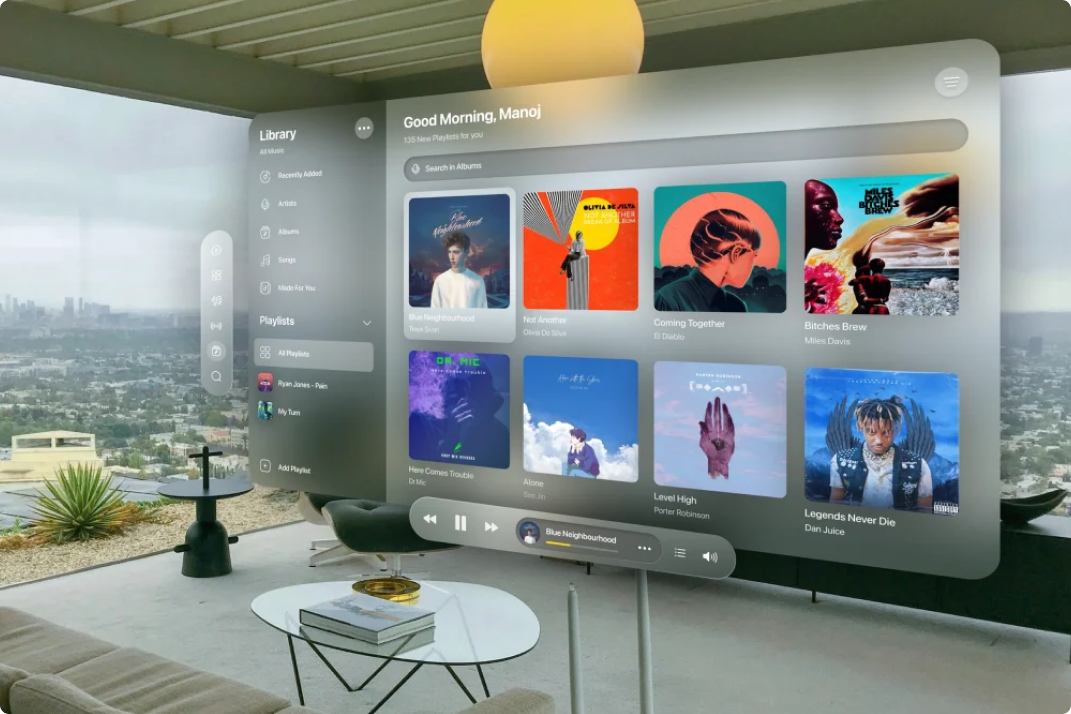
Traditional UI design works within a rectangle. Spatial UX, on the other hand, works within depth, motion, and perspective.
When designing for VisionOS or Meta Horizon, every pixel has a position in space, not just on a plane. Elements can float, bend, or react to gaze. Hierarchy is no longer defined by z-index but by distance, scale, and light.
In this world, designers must think like architects: shaping how users move, focus, and interact within digital environments.
Source: CursorUp
The New Design Principles of Immersion
Designing for immersive tech isn’t just about new devices, it’s about new senses.
Five principles shaping immersive UX:
- Spatial Hierarchy – Depth defines focus.
- Gaze as Input – Eye tracking becomes the new cursor.
- Environmental Context – Light, space, and sound inform interface behavior.
- Natural Motion – Subtle physics make interaction feel real.
- Presence Over Perfection – Believability outweighs realism.
Designing for Mind, Body, and Surroundings
Multi-sensory UX extends beyond visuals: it includes sound, haptics, and motion.
For example:
- Apple Vision Pro uses spatial audio to orient users.
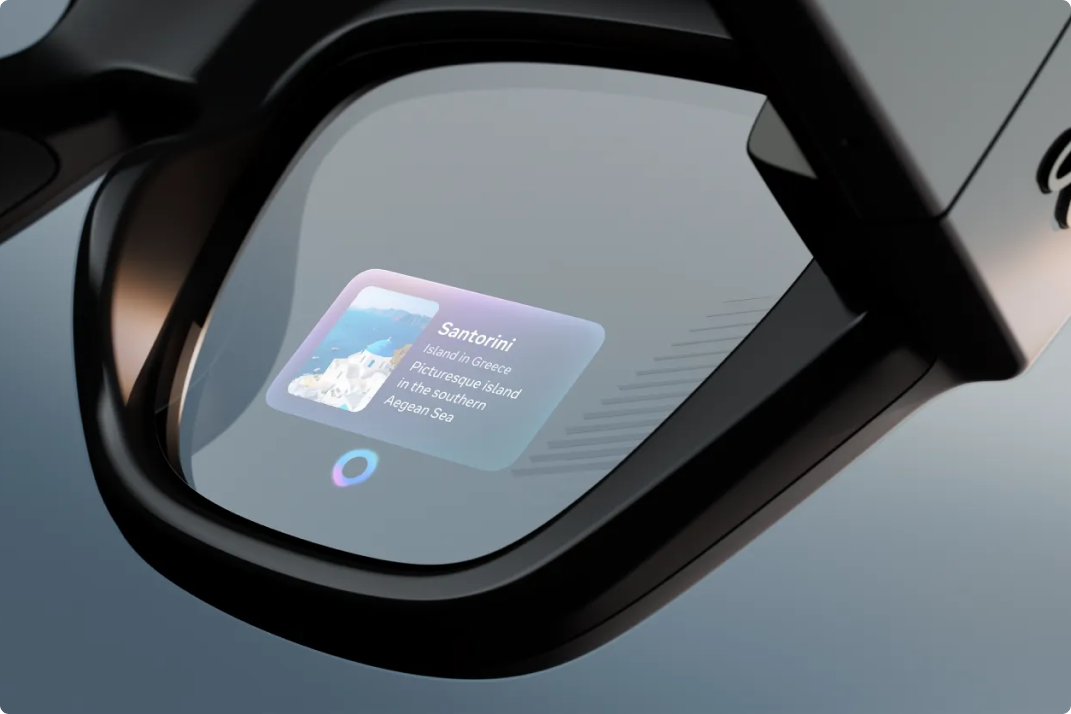
- Meta Ray-Ban Glasses blend voice and gesture control.
Designers now collaborate with sound engineers, motion artists, and hardware specialists. The next “interaction designer” might also be part choreographer.
Source: Capsulesight
Designing for Adaptability
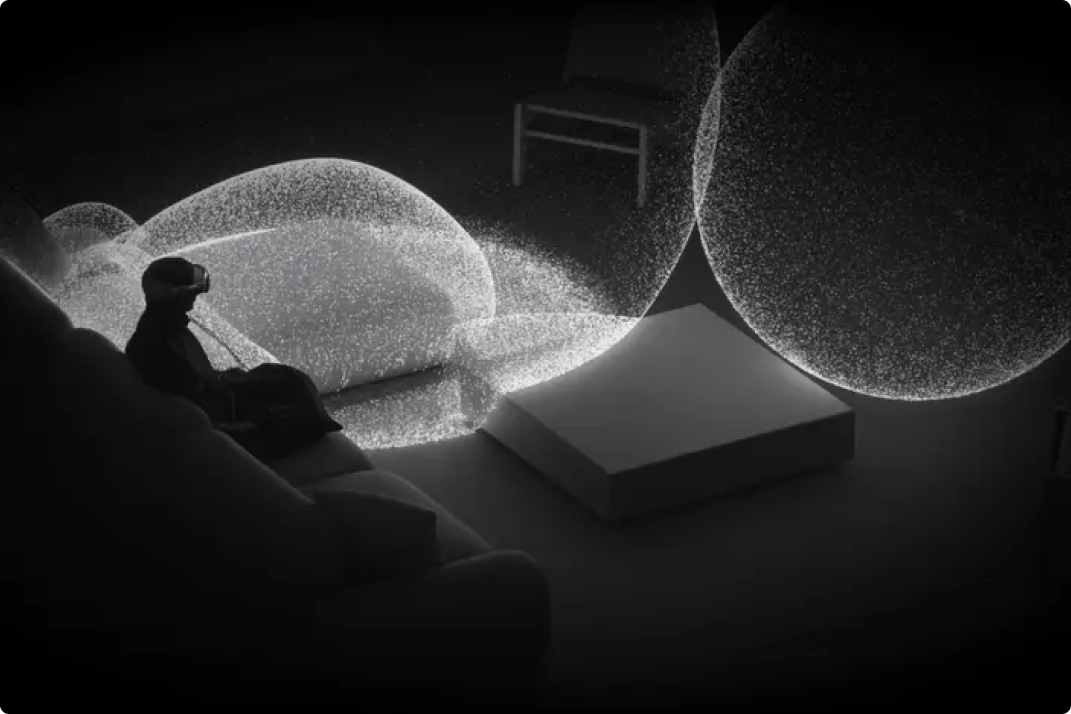
Unlike mobile apps, spatial experiences must adapt to real-world environments (lighting, size, glare). Designers now rely on adaptive light mapping, real-time scaling, and contextual layouts.
Just as responsive design transformed the web, responsive reality will define the future: interfaces that reshape around the user’s surroundings.
Source: Meta
The Agency Edge: Where Craft Meets Code
For UI/UX agencies, this shift opens new creative territory. Designers once built for screens - now they build for spaces.
Agencies can lead by:
- Prototyping in AR/VR instead of static screens
- Integrating brand storytelling with spatial motion and sound
- Developing cross-dimensional design systems (2D → 3D → MR)
This is not a separate discipline - it’s the next dimension of design.
Designing the World, Not Just the Window
The future of experience design won’t live on screens - it will live around us.
As AR and VR converge with AI, every surface becomes a potential interface.
The question isn’t “How do we adapt?”
It’s “How do we make reality itself feel designed?”